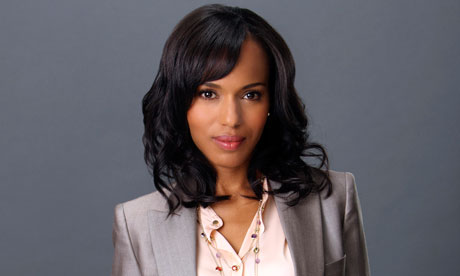
Here's a starter to get you going with analysis; you can use the additional screenshots (or your own) to continue analysing the use of media language (how meaning has been created) in this scene, referencing sound, editing, camera, miss-en-scene...
OPENING SHOT

There are mixed messages from the framing, soundtrack and mise-en-scene here. The framing carries connotations of a peephole, a classic horror or voyeurism signifier (seen in Hitchcock's 1960 classic Psycho for example). The single long drawn out non-diegetic keyboard note is a classic horror technique, seeking to manipulate the audience into unconsciously holding their breath (physiological reaction has a psychological impact), again signifying and creating tension or unease. These signifiers are juxtaposed with the two shot, which might connote a bond, perhaps romantic, between the two seated, and the wood cabin could be 'read' (using Stuart Hall's term) as relaxed and romantic, and the body language could also be read as friendly and relaxed. The voyeuristic framing and shadow suggest otherwise though, and, despite the relaxing diegetic ambient sound of birds cheeping, the large room and high windows could be read as ominous, making the characters vulnerable. The wooden furniture actually makes the setting quite dark, and the surrounding trees we can make out through the windows (whether a studio projection or location shoot) denotes an isolated setting. That this tension is part of the complex preferred reading is arguably anchored through the use of a high angle through the 'peephole' style framing - and we will discuss the device of the game, and the table dividing them, later.

THE 2ND, PANNING SHOT
Rather than cut from the opening long two shot to a tighter two shot to reinforce any signification of a bond between the two we get a panning shot instead, which seems to signify the distance or difference between the two rather than closeness or similarity, although the dialogue, through most of this scene, and the exposition it provides, presents a very different reading, or polysemy. As is made clearer through aspects of mise-en-scene discussed below, the show's very title denotes these two as probable agents, so we should expect a degree of sustained narrative enigma (Barthes' term to describe how withholding anchorage is used to intrigue and draw in an audience). It is notable that we do not see the man in this pan, just his arm as he plays a move, but we do get a medium shot of the young woman, suggesting that she is a more important character or protagonist than him. She seems likeliest through this combination of framing and editing to be the Proppian archetype of the hero, whose 'journey' we will follow (Campbell's monomyth), though the producers have avoided any clumsy anchorage of a binary opposition. There are signifiers of this, but they are relatively subtle!
The backgammon set is a clever device to connote the competition or even battle between these two; despite the appearance of bonding and dialogue to support this, the editing and framing throughout this scene, which mostly relies on shot reverse shot with medium shots or medium close-ups (avoiding two shots) connotes a sophisticated battle between the two. A Ludo set or some other more childish game would not have carried such connotations, but backgammon is a sophisticated game more likely to be played by intelligent adults.


So...take up the analysis from here. I have provided screenshots in narrative order below, but that does not mean you have to analyse these in narrative order - you may wish to consider editing across several scenes, then sound (etc) for example.
Several more shot reverse shot, then, with the male saying "you're about a million miles away" we get a two shot:


Sad music flares up: "he doesn't exactly belong here" says man ... but emotion is not his... Consider his framing and compare with woman's: light v dark?


Woman: "its nice having someone normal to talk to"; man laughs; then this:


Several tightly framed shots then...


Verisimilitude? Clearer costume shot. Uses and gratifications in less muscular woman winning? "Its not like I can benchpress a small hatchback" ... stereotyping...?


Costume design + representation issues clearer now?

There's quite a lot going on here...


Music building tension...


...